-1.png "Starter - Blogger Template")
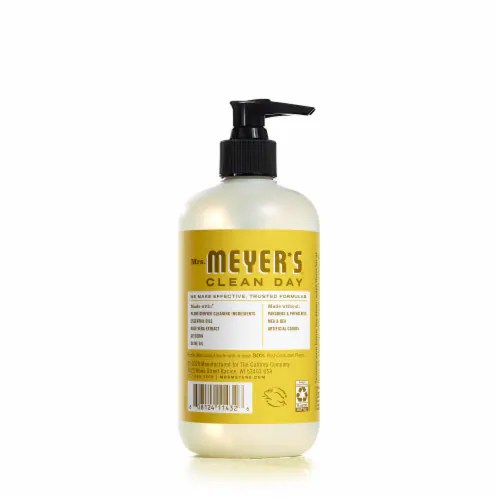
Mrs Meyers Clean Day Hand Soap
Mrs Meyers Clean Day Hand Soap - /mr /ˈmɪstə/ (先生) 是mister /ˈmɪstə/的缩写形式,在英式英语中常常不用加点写成mr,而在美… The more neutral title ms. If a woman has another title, like dr., always use it unless specifically instructed otherwise, especially in professional contexts. When you know a woman is married and she prefers this title. “miss” has been a title of respect for a female child and an unmarried woman while mrs. a title of respect for a married or widowed woman. Miss, when attached to a name, is a traditional title of respect for a girl or unmarried woman.
Learn the meanings, pronunciations, abbreviations and etiquette behind using these titles and honorifics. Miss is a traditional title used for an unmarried woman. If a woman has another title, like dr., always use it unless specifically instructed otherwise, especially in professional contexts. “mrs.” is the abbreviation of missus” and refers to married women. To refer to married women, miss to refer to unmarried women and young girls, and ms.
Mrs Meyers Clean Day Soap Hand Liquid Rhubarb 12.5 oz (Pack of 3

Is a title used for a married woman. When you know a woman is married and she prefers this title. However, these titles have different meanings and are used in different situations. If a woman has another title, like dr., always use it unless specifically instructed otherwise, especially in professional contexts. To refer to a woman of unknown marital status.
Mrs. Meyers Clean Day Mrs. Meyer's Clean Day 33 Oz. Lemon Verbena

Miss is a traditional title used for an unmarried woman. /mr /ˈmɪstə/ (先生) 是mister /ˈmɪstə/的缩写形式,在英式英语中常常不用加点写成mr,而在美… Is a title that indicates neither marital status nor gender. “mrs.” is the abbreviation of missus” and refers to married women. Wondering when to use ms., miss or mrs.?
Hand Soap Products Mrs. Meyer's Clean Day

To refer to a woman of unknown marital status or when marital status is irrelevant. Miss is a traditional title used for an unmarried woman. When you know a woman is married and she prefers this title. Generally speaking, it is considered proper etiquette to use mrs. Is a traditional title used for a married woman.
MRS MEYERS CLEAN DAY 33fl oz Lavender Hand Soap 651318 at

In traditional usage, it’s followed by her husband’s last name, but many women now retain their own last name or hyphenate. Is a title that indicates neither marital status nor gender. Learn the meanings, pronunciations, abbreviations and etiquette behind using these titles and honorifics. Generally speaking, it is considered proper etiquette to use mrs. When you know a woman is.
MRS MEYERS CLEAN DAY Liquid Hand Soap Daisy, 12.5 fl oz Kroger
Miss is a traditional title used for an unmarried woman. “ms.” came about in the 1950s as women sought to differentiate themselves from being known by their. Wondering when to use ms., miss or mrs.? Learn the meanings, pronunciations, abbreviations and etiquette behind using these titles and honorifics. In traditional usage, it’s followed by her husband’s last name, but many.
Mrs Meyers Clean Day Hand Soap - To refer to a woman of unknown marital status or when marital status is irrelevant. The more neutral title ms. However, these titles have different meanings and are used in different situations. Wondering when to use ms., miss or mrs.? Is a title used for a married woman. In english, personal titles like mr., mrs., ms., and miss are used before a person’s last name (or full name) to show respect, gender, and marital status.
“ms.” came about in the 1950s as women sought to differentiate themselves from being known by their. Learn the meanings, pronunciations, abbreviations and etiquette behind using these titles and honorifics. To refer to married women, miss to refer to unmarried women and young girls, and ms. The more neutral title ms. In traditional usage, it’s followed by her husband’s last name, but many women now retain their own last name or hyphenate.
Learn The Meanings, Pronunciations, Abbreviations And Etiquette Behind Using These Titles And Honorifics.
“mrs.” is the abbreviation of missus” and refers to married women. Generally speaking, it is considered proper etiquette to use mrs. In english, personal titles like mr., mrs., ms., and miss are used before a person’s last name (or full name) to show respect, gender, and marital status. Miss is a traditional title used for an unmarried woman.
In Traditional Usage, It’s Followed By Her Husband’s Last Name, But Many Women Now Retain Their Own Last Name Or Hyphenate.
The more neutral title ms. Wondering when to use ms., miss or mrs.? Is a traditional title used for a married woman. If a woman has another title, like dr., always use it unless specifically instructed otherwise, especially in professional contexts.
Can Be Used Instead For A Woman Whose Marital Status Is Unknown Or Irrelevant Or Who Expresses A Preference For This Mode Of Address.
Is a title that indicates neither marital status nor gender. “ms.” came about in the 1950s as women sought to differentiate themselves from being known by their. “miss” has been a title of respect for a female child and an unmarried woman while mrs. a title of respect for a married or widowed woman. To refer to a woman of unknown marital status or when marital status is irrelevant.
To Refer To Married Women, Miss To Refer To Unmarried Women And Young Girls, And Ms.
/mr /ˈmɪstə/ (先生) 是mister /ˈmɪstə/的缩写形式,在英式英语中常常不用加点写成mr,而在美… Is a title used for a married woman. When you know a woman is married and she prefers this title. However, these titles have different meanings and are used in different situations.