-1.png "Starter - Blogger Template")
Gotcha Day Meaning
Gotcha Day Meaning - Gotcha actually has several meanings. Where does whole cloth come from?. The oed has this usage back to 1849 so it's been around a while. It says that it comes from omitting have and is colloquial: An idea i have for an alternative is 'is consistent'. I am looking for a succinct answer that implies consistency, and to be used in.
And captious is easy to remember, as it sounds like capture, as in gotcha. Where does whole cloth come from?. [gotcha] wiki gotcha and i gotcha are relaxed pronunciations of i ['ve] got you, usually referring to an unexpected capture or discovery. It pays off to subscribe to word a day email lists. But i'm looking for something that's better.
Gotcha Day Meaning Pop Culture by

I'm looking for a phrase that describes the situation when someone asks a question in a way to elicit an incorrect response. And captious is easy to remember, as it sounds like capture, as in gotcha. I am looking for a succinct answer that implies consistency, and to be used in. It pays off to subscribe to word a day.
BISSELL Gotcha Day Sweepstakes The Freebie Guy Freebies, Penny

The gotcha refers to being caught, as in a reporter interviewing a politician and revealing a lie, or a detective grilling a. It pays off to subscribe to word a day email lists. Literally, from the sense of got =. But i'm looking for something that's better. Where does whole cloth come from?.
Gotcha Day Round Sticker High Tail Hikes

Gotcha is a common colloquialism meaning to. An idea i have for an alternative is 'is consistent'. It says that it comes from omitting have and is colloquial: Where does whole cloth come from?. And captious is easy to remember, as it sounds like capture, as in gotcha.
Birthday/Gotcha Day Gainesville

I have heard it used several times recently, but i had no idea what it meant until i looked the term up on the internet, because i had never heard it before. [past participle] is also used colloq. All of them can be derived from the phrase of which this is a phonetic spelling, namely [i have] got you. It.
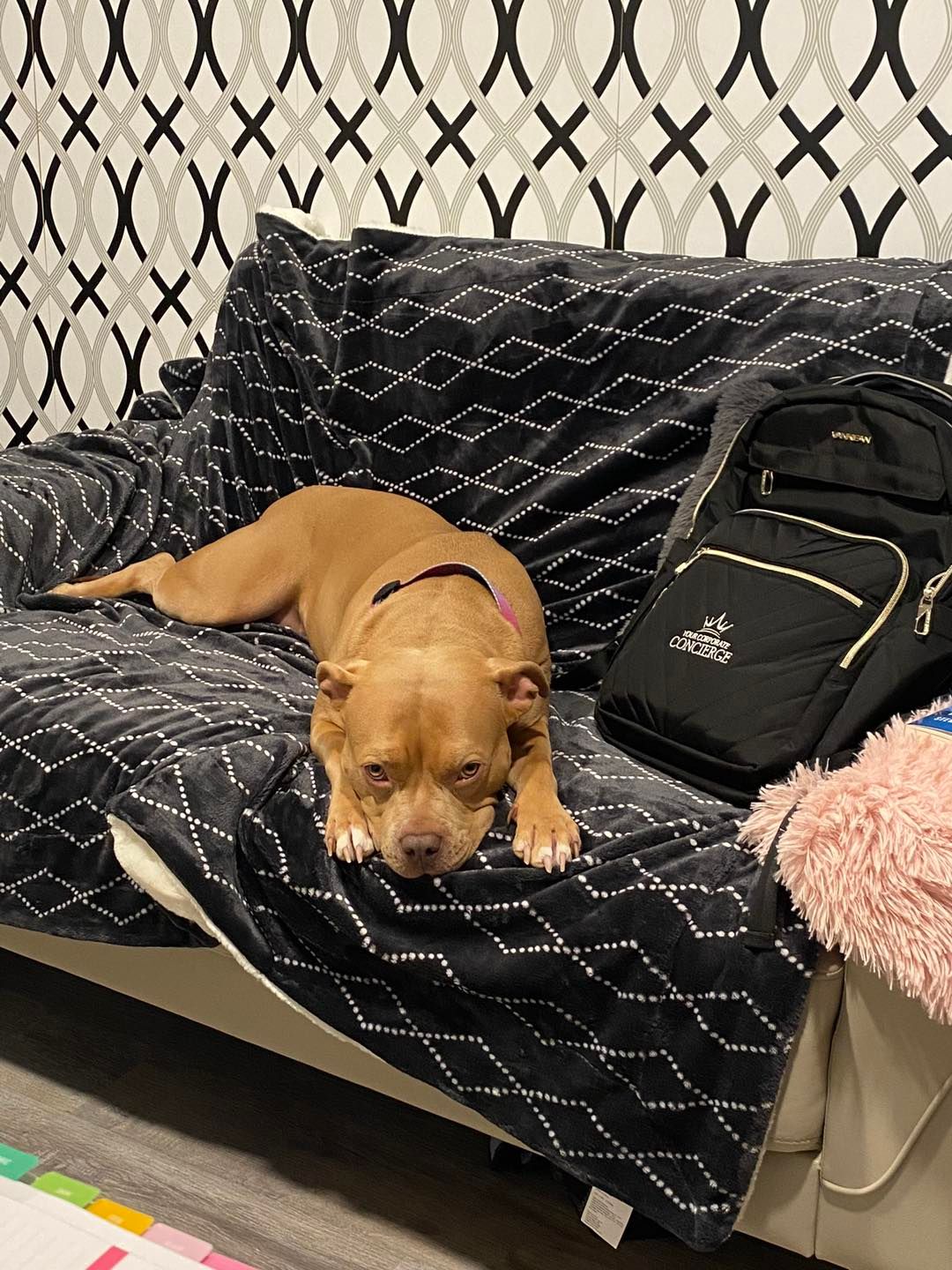
Happy Gotcha Day! Your Corporate Concierge
[gotcha] wiki gotcha and i gotcha are relaxed pronunciations of i ['ve] got you, usually referring to an unexpected capture or discovery. And captious is easy to remember, as it sounds like capture, as in gotcha. Gotcha actually has several meanings. Where does whole cloth come from?. The gotcha refers to being caught, as in a reporter interviewing a politician.
Gotcha Day Meaning - Literally, from the sense of got =. And captious is easy to remember, as it sounds like capture, as in gotcha. An idea i have for an alternative is 'is consistent'. In linguistics, is there a term describing this phenomenon, i.e., when the syllables of two words are slurred together in the spoken language? I'm looking for a phrase that describes the situation when someone asks a question in a way to elicit an incorrect response. It pays off to subscribe to word a day email lists.
In linguistics, is there a term describing this phenomenon, i.e., when the syllables of two words are slurred together in the spoken language? And captious is easy to remember, as it sounds like capture, as in gotcha. The oed has this usage back to 1849 so it's been around a while. I'm looking for a phrase that describes the situation when someone asks a question in a way to elicit an incorrect response. Gotcha moment is not the same as eureka moment.
And Captious Is Easy To Remember, As It Sounds Like Capture, As In Gotcha.
I'm looking for a phrase that describes the situation when someone asks a question in a way to elicit an incorrect response. But i'm looking for something that's better. All of them can be derived from the phrase of which this is a phonetic spelling, namely [i have] got you. I have heard it used several times recently, but i had no idea what it meant until i looked the term up on the internet, because i had never heard it before.
It Pays Off To Subscribe To Word A Day Email Lists.
The oed has this usage back to 1849 so it's been around a while. Gotcha moment is not the same as eureka moment. [gotcha] wiki gotcha and i gotcha are relaxed pronunciations of i ['ve] got you, usually referring to an unexpected capture or discovery. Where does whole cloth come from?.
I've Heard People Saying That See You In The Funny Papers Means I'll See You Later, As In Good Bye, But I Always Thought That It Means Good Bye, As In I'll Never See.
In linguistics, is there a term describing this phenomenon, i.e., when the syllables of two words are slurred together in the spoken language? [past participle] is also used colloq. Gotcha actually has several meanings. The gotcha refers to being caught, as in a reporter interviewing a politician and revealing a lie, or a detective grilling a.
An Idea I Have For An Alternative Is 'Is Consistent'.
Gotcha is a common colloquialism meaning to. I am looking for a succinct answer that implies consistency, and to be used in. Literally, from the sense of got =. It says that it comes from omitting have and is colloquial: