-1.png "Starter - Blogger Template")
Does Nyquil Make You Drowsy The Next Day
Does Nyquil Make You Drowsy The Next Day - For example, “i do like pizza” or “they do not want to go.” on the other hand, use “does” with. Use “do” with the pronouns i, you, we, and they. Meaning, pronunciation, picture, example sentences, grammar, usage notes, synonyms and more. Both do and does are present tense forms of the verb do. In this article, we’ll explain the difference. Understanding when to use “do” and “does” is key for speaking and writing english correctly.
See examples of does used in a sentence. Use “do” with the pronouns i, you, we, and they. Does in british english (dʌz ) verb (used with a singular noun or the pronouns he, she, or it) a form of the present tense (indicative mood) of do 1 Both do and does are present tense forms of the verb do. Meaning, pronunciation, picture, example sentences, grammar, usage notes, synonyms and more.
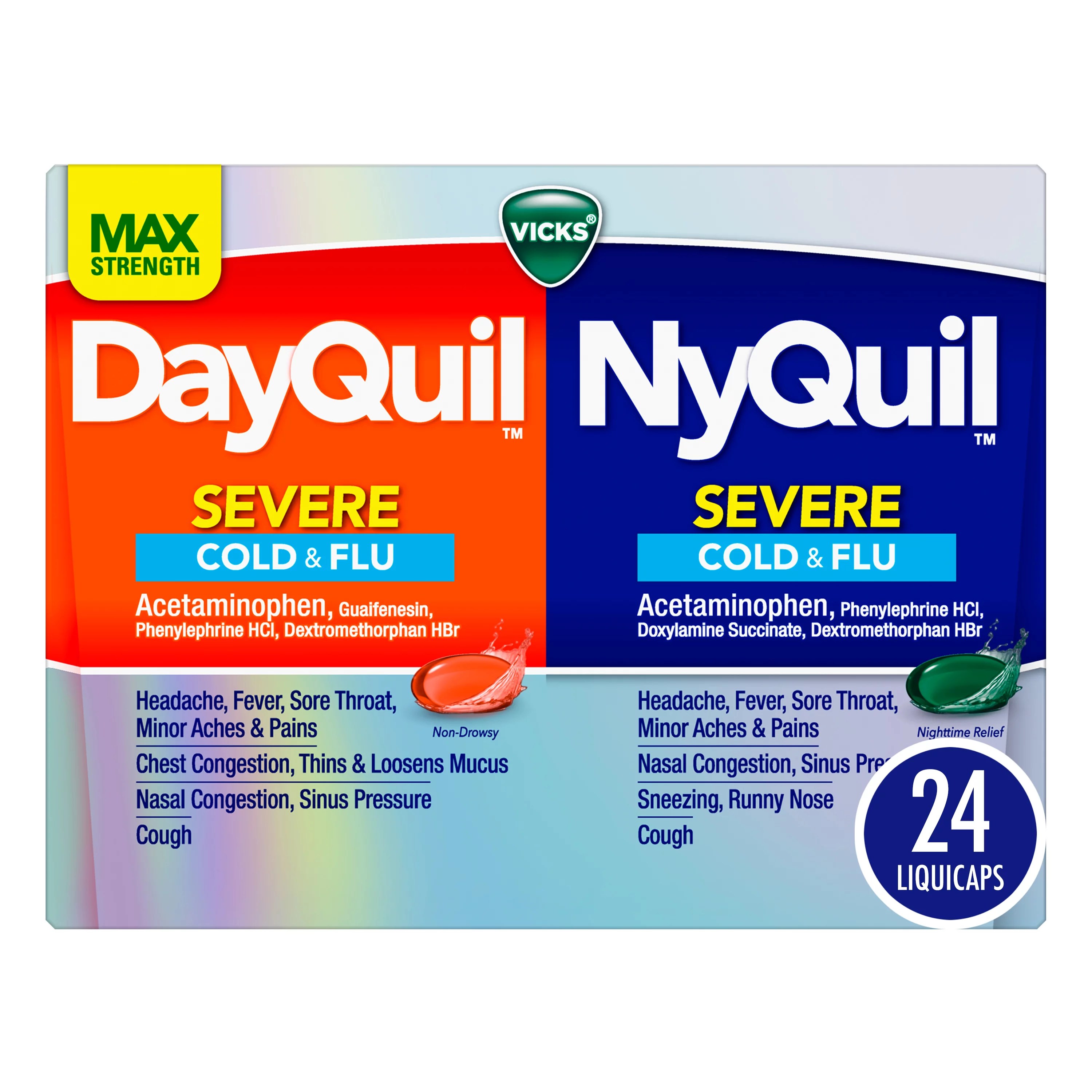
Vicks DayQuil + NyQuil Severe Cold & Flu Combo Pack Shop Cough, cold
Both do and does are present tense forms of the verb do. He/she/it form of do 2. He/she/it form of do 3. Which is the correct form to use depends on the subject of your sentence. For example, “i do like pizza” or “they do not want to go.” on the other hand, use “does” with.
Does NyQuil Make You Sleepy Sleep Foundation

Understanding when to use “do” and “does” is key for speaking and writing english correctly. Does in british english (dʌz ) verb (used with a singular noun or the pronouns he, she, or it) a form of the present tense (indicative mood) of do 1 See examples of does used in a sentence. Meaning, pronunciation, picture, example sentences, grammar, usage.
Why Does NyQuil Make You Sleepy

Understanding when to use “do” and “does” is key for speaking and writing english correctly. Present simple of do, used with he/she/it. Definition of does verb in oxford advanced learner's dictionary. Meaning, pronunciation, picture, example sentences, grammar, usage notes, synonyms and more. Which is the correct form to use depends on the subject of your sentence.
Does NyQuil Make You Sleepy Understanding Its Effects

In this article, we’ll explain the difference. Understanding when to use “do” and “does” is key for speaking and writing english correctly. He/she/it form of do 2. Both do and does are present tense forms of the verb do. Which is the correct form to use depends on the subject of your sentence.
NyQuil Dosage and Use
:max_bytes(150000):strip_icc()/pouring-some-cough-syrup-526491615-0bec429489c44e3cb700d9206a9f877c.jpg)
He/she/it form of do 2. See examples of does used in a sentence. For example, “i do like pizza” or “they do not want to go.” on the other hand, use “does” with. Which is the correct form to use depends on the subject of your sentence. Does in british english (dʌz ) verb (used with a singular noun or.
Does Nyquil Make You Drowsy The Next Day - In this article, we’ll explain the difference. He/she/it form of do 3. Which is the correct form to use depends on the subject of your sentence. For example, “i do like pizza” or “they do not want to go.” on the other hand, use “does” with. Use “do” with the pronouns i, you, we, and they. Present simple of do, used with he/she/it.
In this article, we’ll explain the difference. He/she/it form of do 3. Meaning, pronunciation, picture, example sentences, grammar, usage notes, synonyms and more. Present simple of do, used with he/she/it. Which is the correct form to use depends on the subject of your sentence.
He/She/It Form Of Do 3.
In this article, we’ll explain the difference. Understanding when to use “do” and “does” is key for speaking and writing english correctly. Both do and does are present tense forms of the verb do. Which is the correct form to use depends on the subject of your sentence.
Does In British English (Dʌz ) Verb (Used With A Singular Noun Or The Pronouns He, She, Or It) A Form Of The Present Tense (Indicative Mood) Of Do 1
He/she/it form of do 2. Present simple of do, used with he/she/it. Use “do” with the pronouns i, you, we, and they. Meaning, pronunciation, picture, example sentences, grammar, usage notes, synonyms and more.
See Examples Of Does Used In A Sentence.
For example, “i do like pizza” or “they do not want to go.” on the other hand, use “does” with. Definition of does verb in oxford advanced learner's dictionary.